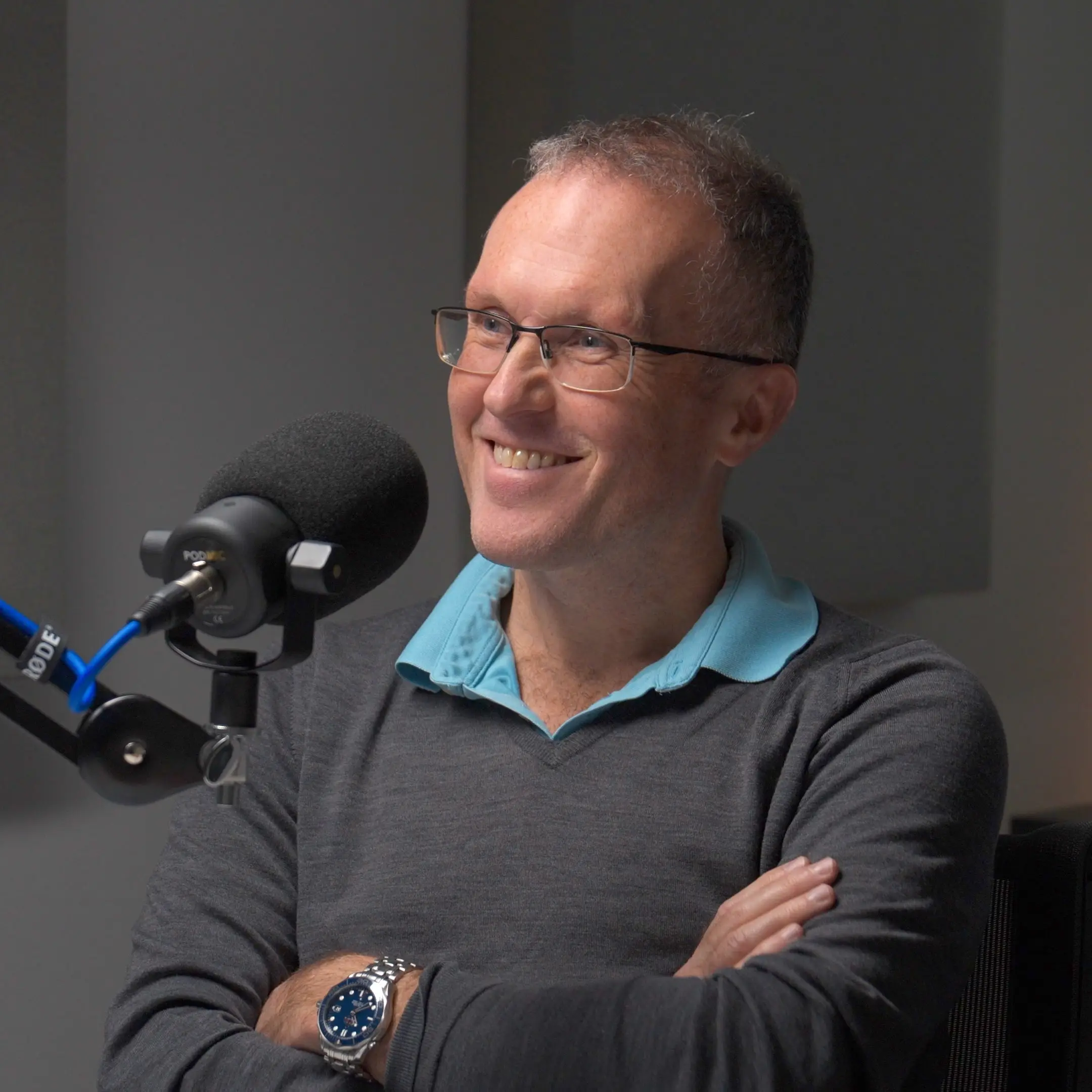
Recycling Capital and Talent in Oxford's Innovation Economy


.png)
.png)

How should we value a healthcare system that frustrates the very innovators trying to improve it?
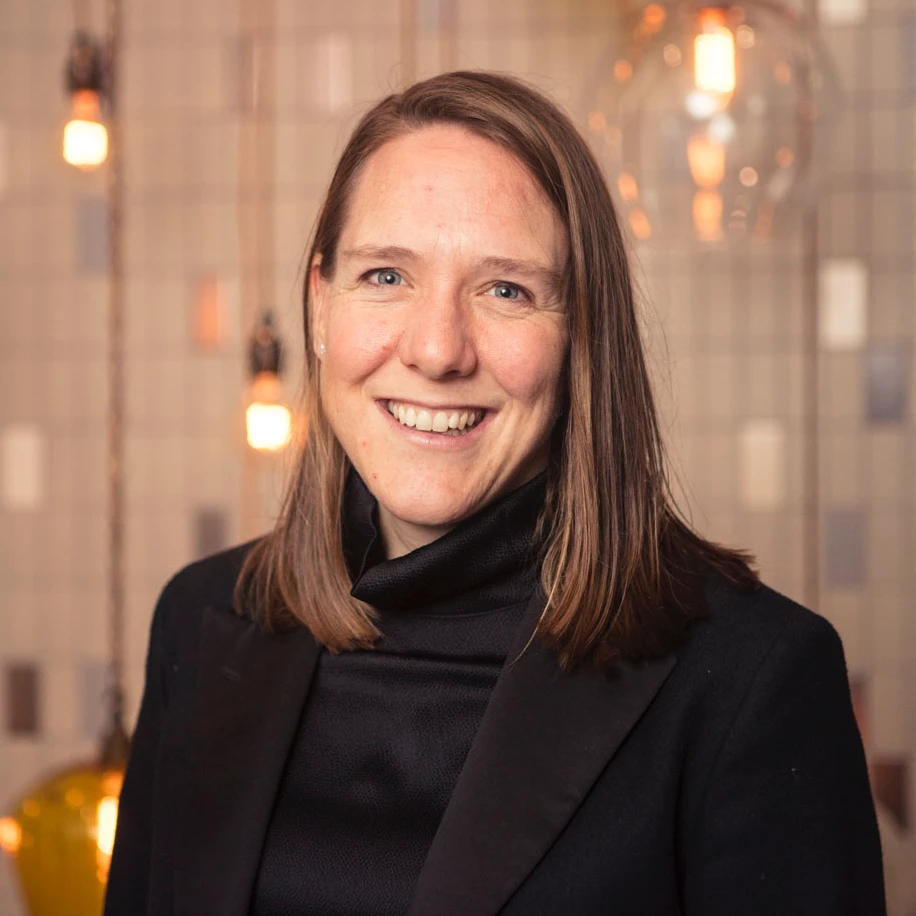
In this episode of Oxford+, host Susannah de Jager speaks with Dr Ceri Morgan, a doctor turned healthcare investment banker turned patient, about her three careers and what they reveal about UK life sciences. Ceri explains why, for years, companies pitching an NHS-first strategy were handed close to a zero valuation, and why the UK's thin life sciences public market has pushed founders towards private capital and trade sales.
Her move to Dalloway Partners marks a third act focused on the non-scientific side of scaling: mentoring founders, opening up investor networks and building Oxford's ecosystem. The timing matters. After UK biotech raised just £1.8 billion in 2025, early 2026 figures show venture funding rebounding, with £516 million raised in the first quarter. From recycling capital and talent to being your own patient advocate, this is a candid conversation about fixing the structures around brilliant British science.
Ceri Morgan: They said, well, you Google. And I said, I've never used Google before. They thought I came from outer space. I said, listen, I've come from the NHS.
Susannah de Jager: Welcome to Oxford Plus the podcast focused on innovation around Oxford. We look at everything across the ecosystem, the institutions, the people, the technology. If you need to learn anything about Oxford, whether it's how to take a first step in through the door, or as an experienced investor wanting to go deeper, this is the podcast for you.
Dr. Ceri Morgan brings a rare perspective to healthcare innovation. She has experienced the system from three distinct vantage points as a doctor, as a healthcare investment banker, advising some of the sector's most significant transactions, and as a patient navigating the realities of the UK healthcare system herself.
This conversation explores how those experiences shape her view of the opportunity emerging from Oxford, the wider UK innovation ecosystem, and why she chose to join Dalloway Partners.
Ceri, thank you so much for joining today.
Ceri Morgan: Pleasure.
Susannah de Jager: You have a really interesting perspective because you have been a physician, an investor, and a patient. I'd love you just to talk a little bit about where you started your career and maybe take us through those formative elements.
Ceri Morgan: Of course it's a pleasure. So I'm on my third career now, which I describe as my most favourite career for many, many reasons, but we'll get onto that. I suppose I started my career journey as a medical doctor. So I worked in hospitals. I particularly enjoyed and spent a lot of time in the cardiac department, so working a lot in cardiology and also trauma medicine, which was a fascinating insight to the population.
when people are at their most vulnerable, that's when you start to really see people's weakness, their vulnerabilities, and actually it's such a privilege to look after people at that stage. But there was a moment where I was working in the hospital. I was the most senior doctor on call. The hospital was full. Casualty was full. And I sat there and I thought, this is really dangerous and there's nothing I can do about it and I felt overwhelmed with the pressure and quite suffocated with this institution. And the more senior you become in hospitals, the less involved with patients you are, and I thought, I don't know how I'm going to manage this for the rest of my life.
I had a friend who was a bond trader, I'd never lived or worked in London at all, and he said, why don't you try and get a job in this city? I said, I have no idea what that is.
Susannah de Jager: Because if you're unsubscribing from a stressful environment that seemed natural.
Ceri Morgan: Let's go.I didn't realise that it was out of the frying pan. But it's within two weeks I got a job at an investment bank as an analyst. And my goodness I didn't have a clue what a stock or a share was, and they sat me in front of a computer and they said can you start looking at this company? And I said, well, how do I do that? They said, well, you Google. And I said, I've never used Google before. They thought I came from outer space. I said, listen, I've come from the NHS.I bet they thought, oh my god, who have we got here? But they sat me in front of a med device company and I was on a roll. I was amazing. That was fantastic. But it was fascinating learning about, the different companies and how investment banking worked, and how you value companies and how you help companies.
So that began my career in investment banking. And 20 years later, here I am. So I led a couple of life science teams in the City. The second one was at an place called KBC Peel Hunt. They didn't really have a life science sector team at all, and that's when I partnered up with a brilliant analyst who hadn't worked in the City before, and we scoured the landscape and we thought, gosh, the life science sector was pretty immature. we really didn't like the way that investors were looking at some of these companies. let's just manage to get through a phase two, let's just manage to get to some form of inflexion point in the City. Get your share price to respond. And then people recycled. people moved out and we thought, actually this is not going to create a long term platform.
So controversially, but it was what we believed, we put a number of the companies on a cell recommendation. It was difficult at the time. We weren't deliberately trying to be controversial or obstructive. That's really what we genuinely believed and roll forward two years, some of those recommendations started to pay dividends. IE trials had to be redesigned and people had to look at life science companies in a different way. Let's have a different form of platform. Let's have a different form of advice. How do we help these companies? And then we became the largest team in the uk smid cap environment.
Susannah de Jager: Small and mid cap.
Ceri Morgan: Small and mid cap. yes, or my jargon, sorry. We ended up advising more companies than anybody else, and that was a real privilege. in a way, the brand wasn't the investment bank. The brand was our team, very tight, very respectful of each other. We worked incredibly well. And it was my job to connect the investors and the corporate clients.
So the corporate clients were the companies that we advised. And I love that dynamic. When you're trying to translate very technical clinical trial data, when companies announce news on the public markets, generally in the UK we don't have specialists. So I did call myself, much to the frustration of my analyst, I think a translator. Trying to look back on how I worked as a doctor, the interpretation of diagnosis and talking to the patients, almost, I felt like the investors were my patients in a way. How do you look through this data and what did it actually mean? Was there a fundamental point to these companies? Were they going to really fundamentally change people's lives? And invariably you do have clinical trial failings, but it's really important to remind yourself through every single stat of that clinical trial, there was a patient involved. And it's very hard to translate that across public markets when share prices are involved. So that was very, very difficult. It was very, very challenging.
But roll forward I moved on to Deutsche itself because they had a stronger US offering. So we wanted to talk to the US investors, and we did incredibly well. At our peak, we were advising 26 companies. So I've had the enormous privilege of working with Jonathan Milner from ABCAM, IP Group, and that's when I got involved with OSE. Oxford Nanopore really trying to help these companies look for capital.
So roll forward, I've been in Oxford for four years, and as I look back on my life the bulk of my career, for 20 years, I had this organogram of my industry, the public market industry, who were the execs, who were the C-suites, who were the boards, who were the investors, who were the advisors? And so we could connect the right people with the right investor at the right time. And it made you very effective, very efficient to have that ownership of that space and really get people to I truly believed in really try to help them.
I had a wonderful time in the investment banking world, but it was difficult. Very stressful when you're dealing with money and huge losses and as I look back on it now, I recognise we've had very few recycling of successful capital in our life science sector. A lot of the companies were very tightly held by very few funds. So actually when they did have success and by that either a share price performance or invariably an exit through industry, who benefited from that?
We have had that structural failing, which is why, I'm talking about my third career and what I've learned from being a medic, being in investment banking, and then coming to Oxford. So from an institution of the NHS and an institution of investment banking and now the institution of Oxfordshire, trying to dissect that and understand that is going to be my mission for the next few years.
So this is where I am today.
Susannah de Jager: It's fascinating. There are a few things you said there that I'd love to draw out. The lack of a depth of life sciences prior to you coming in, but you spoke about your colleague who also hadn't worked in the City. What background did they come from out of interest?
Ceri Morgan: A science background, so they were PhDs.
Susannah de Jager: So there was clearly a recognition that there was a need for this expertise, which in itself is encouraging.
Ceri Morgan: Well, you say that. I mean, I had no idea what job I was getting into at all. So I moved from being an analyst, but I recognised that was not my forte. I enjoy talking to people. I enjoy connecting people together, which is why I had moved on to the sales desk. So I worked on the trade floor.
So I was his specialist sales person and I was allowed to cross the Chinese wall as it were, and to work with corporate. But we had no idea. But we knew that we wanted to create something and it's only when you look back and when you've created it, do you think, oh, it sounded very purposeful and very deliberate at the time. But it really wasn't that at all.
But we just came together and it was perhaps serendipity and it was a fantastic journey.
Susannah de Jager: The other thing that you mentioned that I wanted to just dig into a little bit more, you spoke about exits. Obviously the system within which you were operating, the slight discomfort between patient, impact, outcomes, your perspective as a doctor, and then the shareholder, which is ultimately who companies are accountable to.
How do you see that in the current system? Do you think any of that's actually changed meaningfully?
Ceri Morgan: Good question. Sadly not perhaps with the NHS. is it a national treasure or is it something that is so frustrating that we could do so much more with? The medicines have perhaps changed a little. But, and this is going to be a little controversial, when we used to analyse companies coming in to see us to begin with aside from medical devices, perhaps if anyone came in with a UK strategy, IE an NHS strategy we used to apply pretty much a zero valuation because trying to penetrate the NHS as an innovative company having some great medicines and some great devices that could fundamentally change these lives, patients' lives, it is frustratingly slow.
The administrative burden of the NHS is really difficult. There's a huge depth and breadth of data that could possibly use the clinical trials today, but the fidelity of the data is not as good as it could be and trying to deal with the trust by trust basis it takes a long, long time. So the lead times are really very slow and we are missing out. So if we really want to be the world's legion assets in AI and clinical data, which we could have, the potential is there, we need to somehow make a change with that and that's really very difficult.
But then looking at how things have changed enormously in the public markets today sadly we don't have much of a life science public market sector. M&A has really taken over and we have so very few publicly listed companies. Perhaps it was born out of this recycling of successful capital that we really haven't done. So actually trying to attract more and more investors to support our industry. So when we did have industry companies, industry validation for some of thesepublicly listed companies, there was very little support to continue their growth on the public market. People wanted the cash from that sale.
But I understand that there are huge risks associated with clinical trial companies. And now actually, if I look back over the companies I was looking at 10 years ago from those today in the private sector, because we've had a constraint of capital, people have had to be more imaginative, company funds have had to be more imaginative, with less capital. And actually the commercial prowess and the commercial aptitude is improving enormously.
Probably more than when our life science public sector comes back, I suspect the investors will see a much mature IPO candidate. But it's going to be difficult. I don't know when it will come back in the public market. And then I look at Oxford and I see the incredible opportunities that are coming through, the incredible science that's coming through. The City seems to be, that there's a huge bridge between public capital and private capital and industry today, and I think the private companies are trusting more of industry as opposed to letting their company be valued on the public market.
So there's a fundamental structural problem there.
Susannah de Jager: So there are two quite separate things here, and one we've spoken about quite a lot, which is really interesting by the way, certainly to me, is the capitalist system within which potentially successful companies are surviving, thriving, what they're navigating through. So initial fundraisers, obviously we're talking about IPOs onto either the AIM or the main London Stock Exchange, and then this much more recent trend, which is much more private ownership.
And of course the default setting to date, which is that life sciences will go to the NASDAQ, which is where there's more depth and you and I could talk about it for a long time.
I actually want to pivot now, and I'm sure it'll come up again, and focus on these companies on the opportunity at the other end because we have amazing science in the UK. We have amazing innovation are here in Oxford and you are entering your third career. And so rather than spending longer on the slightly out of our control issues in the capital markets, I'd love to hear what you're going to do next with all of this knowledge.
Ceri Morgan: Yeah.
Susannah de Jager: Tell us about Dalloway Partners.
Ceri Morgan: Yeah, so, I'm hugely lucky to be working with Vanessa Colomar and Helen James, who both got incredible backgrounds. Quite different from myself. But recognising actually, you come to a stage in your career and you perhaps have left investment banking, you've exited a company, and what do you do next? But you've got huge amount of experienced people mulling around London, Oxford, Cambridge , trying to give back your experience. How'd you do that and how'd you go out and seek companies that you can help?
So, Vanessa and I had huge amount of commonalities in, actually, there are a number of brilliant companies that we really do want to help. Anything other than their science. We will offer to help be their right hand person, their mentor, their quasi board, they're 24/7. With our networks, we can connect people together. We will help these companies scale. We'll help them with mentoring. We'll help them with frustrations how do you deal with a difficult board? no one's there to tell you. It's not a failing to ask people for help, but where do you go to ask people for help?
Over the last couple of years when I've been hunkering down I've not been so active. I've had a number of people come to visit me in Oxford and just having a talk about life, having a talk about what can we do, and just having someone there that understands you is, I think, really important. Because you can feel so lonely as a CEO and you think that nobody else understands what you're going through.
But actually if they find someone that's just brilliant. We've got very high barrier to entry. We've all got to have true belief in every person that we work with. We have already been finding the most incredible people and we will help them.
Susannah de Jager: There's something that I wanted to amplify there that you already said, but the fact that it's the non-science side, and I think to some people listening, this will be very obvious and to others it will be so counterintuitive. But the science needs to be measured, needs to be looked at. Ultimately people need to analyse whether it stacks up, where it sits in the competitive landscape that's a given.
I think what often is under appreciated and particularly by academics where the metrics and the success is so different to commercial success is just how much is predicated upon the non-scientific elements. So we were talking this morning about storytelling. You just spoke there about board management. There's a fair amount of managing of people in world too, but there's also this part that I think not enough people talk about, which is self-awareness and mentoring obviously feeds into that. Because often you'll have an amazing founder, CEO, and they might be able to grow and develop with the correct mentoring, board management, et cetera, to be a long-term CEO.
But potentially they won't be and that's often seen as some sort of awful schism. But actually I feel very strongly that if that's communicated through self-awareness, coaching, ongoing conversations about pivot points. It doesn't need to be. It can be a natural maturation of that company and of that individual in many cases. I love that you are focusing on those areas that I think are often left to chance.
Ceri Morgan: and so as you were speaking then, talking to investors was one of my most favourite part of my job in the City, because people look at companies in a very different way. As a company founder, funder, sometimes you are so immersed in what you think you are looking to do, you don't realise how you come across to other people. You need to bring everybody in the ecosystem along with you if you're going to be successful.
As we are becoming more and more aware of spin outs and progression and scaling, are we really preparing for the next level of entrepreneurs, the next generation of entrepreneurs? Is it lucky? Is it you learn by default? Is it you learn by mistakes? Or do we need to start implementing and adjusting our education environment to say, actually let's just start educating people about finance and term sheets and actually does your margin make sense? Does your business make sense?
You can have amazing ideas, but if it doesn't make sense as a business that's okay. But recognise how far you can take it.
Susannah de Jager: But also have a support network that can tell you that without you having to become a pseudo financianal analyst yourself, when that's not your primary skill.
Ceri Morgan: Yeah. there are people to help you and so we're allowed to fail. Let's just fail fast and recycle not just successful capital, but recycle brilliant people who want to do things.
Susannah de Jager: Make sure that it's in a more successful venture.
Ceri Morgan: Having mistakes is fantastic. If you don't make a mistake, then something's gone wrong, then you are actually not doing the right path.
Susannah de Jager: That's how people learn because everything is iterative, right? So you were saying you have a very high bar, but then we're also talking about helping people grow. So I'd love to know what is the bar? What is it that are your non-negotiables on the way in? Because obviously you're trying to help people become better versions of themselves, better professionals, better managers. What are the non-negotiable?
Ceri Morgan: I'm very EQ driven. I'm much more EQ than IQ. It's a sense of if they are purpose driven, if they recognise that perhaps they're not going to be the leader of this company in the long term, because different people have different skill sets, and to find that one person that can be right at the beginning and lead this company into perpetuity is incredibly rare.
Susannah de Jager: I call it plays nicely with others.
Ceri Morgan: That's a good term. Yeah, that's a term.
Susannah de Jager: A little bit like school ground.
Ceri Morgan: Once we've engaged with a company, they are willing to engage and discuss with us. So I think a lot of it is gut, which is not particularly helpful to answer your question. But I think again, through our networks and we've got extraordinary networks between the three of us at Dalloway, we will ask whether we believe that this particular company's on the right path. Because it doesn't benefit anybody if we say we can help you, but actually ultimately we can't in the end.
So we will do our own due diligence not the science due diligence, but we will do our own due diligence in terms of does this company potentially have a place in the world and can we help them? Can we help them with investors? Do we have the right network to help them? Because there are all sorts of investors. So that's a barrier to entry really, is actually we have to really believe that we can help them because if not, it's a complete waste of everybody's time and money.
But luckily enough, I am in Oxford and I spend most of my time in Oxford. So actually me being immersed in Oxford, where we've got EIT, where we've got Oxford Seed Fund, and actually not purposely, I haven't actually talked about the University because we have to think about Oxford as an ecosystem, not just the university. But how do we democratise, how do we socialise what I'm experiencing when I look across and see the views of Sheldonian? How do we bring that out to the nation? How do we support everybody and bring everybody together? Because it's really important.
We are in an economic stagnation, so we are becoming more and more polarised as a nation. So how do we think about that? Not every family member is going to be an ace in quantum, an ace in AI, an ace in life sciences. So how do those children that generation feel? They can't be left behind. We have to bring people together and I'm really passionate about all of that.
So if we can really look at Oxfordshire as a mini ecosystem, and then try to develop that throughout the UK and I understand, there are different pulling powers in the North of England versus the Southeast versus the Southwest and it might be completely bonkers and not possible at all. But we have to try.
Susannah de Jager: I don't think it is bonkers, and I think that you are in the right place for this because Equinox has just been launched, Equitable Innovation Oxford, and Olga Kozlova when I interviewed her is they're saying, the equitable bit is so important. So important to Irene Tracy. It's so important to Lisa Flashner who's parked herself on the, corner of one of the most impoverished, largest estates in the whole of the UK. Which people that don't live in Oxford would just not know.
The Ellison Institute, the University, all these entities and beyond, by the way, are there saying it's great if we can fund amazing, impactful science and innovation and that is core mission. But they are so laser focused on how can we amplify that benefit locally and to the broadest cohort possible? And therefore, I think Oxford is quite a special place to be doing this because, and this is sometimes something that is levied as a criticism of the UK innovation ecosystem, is that we are not the most commercial in the most hard-nosed way.
But I think that this is the benefit is that there is a more balanced, dare I say it, even altruistic element that a lot of people are focusing on and if we can create a blueprint.
Ceri Morgan: Yes, as a relative newbie to Oxford. I've been in Oxford for four years. I have struggled. I found it so fragmented and really complicated. Where do I look? How do I help people? How do I make an impact? I don't want to network for network's sake, but how do we, bring very deliberate people into the room and how do we talk and discuss and make progress together?
Susannah de Jager: And often in solving the problem we're proliferating further confusion.
Ceri Morgan: I know!
Susannah de Jager: Which is both might be additive in the long run, but in the short term it's oh, doesn't that just add to the confusion of who's the person to talk to? I feel the same way, by the way. You know, it's tricky. It's tricky to work out where you can add value and there's lots of people working to make it more transparent. I'm obviously doing my small part with the podcast, Michael and Christian are doing Oxford Tech Week, Equinox are really trying to set up work streams that will focus on these things.
So there are people doing it and I'm hopeful that it will become less like wading through treacle for people that are coming next.
Susannah de Jager: Now I want to ask you, what kind of companies are you looking for? Because we've spoken about the sort of qualities that you want and the non-negotiables I know that you've got types of companies that you would particularly like to hear from. If anyone's listening.
Ceri Morgan: We do want to concentrate on female health because it's been largely neglected. So we like to work with female entrepreneurs and people that we can bring together. There are lots of brilliant ideas going on throughout the UK but we are generally subscale in what we're doing. Nobody talks to each other.
So if we have a particular connect with a company, we want to be able to connect them to other people and that can come in very different guises. We're working on an AI chronic disease company at the moment. We want to help a pre-cancer biomarker company because we believe that this company in particular is larger than Oxford. It has such potential to have a global impact on cancer. We have to bring other people together.
Branding and storytelling as we have both described, is not that well done. I think people generally in the UK need to be more proud of what they're doing and sometimes you need other people to shout out and say, I think you are brilliant. I think you are brilliant, and I will introduce you to other brilliant people and that's okay to say you are brilliant and I think we can be a little bit too British.
So the companies that we are looking for working for are those type of companies. Companies who themselves recognise that they have a connection with us and they don't quite know how to scale or they don't know how to connect to certain people. I want to be seen as an open source. There are a lot of people, and I understand this, the people that they know, investors that they know, are their currency. But I want to share my currency. I want to share an investor list. I want to share a connection because I think we're not going to do anything successfully if we don't do that and we've got to start somewhere.
You know, we were talking about Oxford Tech Week and I'm helping the guys to coordinate that and I think what they're doing is utterly brilliant. It's the first time we've had a tech week. It's not been driven out of the university, but the university has been incredibly supportive. It's really important because again, it's developing the Oxfordshire ecosystem. We want to make Oxford accessible to people who don't know how to access brilliance. The panels are incredible. The people speaking are incredible and they're not just from Oxford.
We've got Jonathan Milner coming from Cambridge, who has got so much to give. He's got so much experience and he wants to give back. Vanessa Colomar, my partner at Dalloway, she's going to be talking on one of the panels because we want to say we are here and if you want help and if we can help you, please come and talk and then we can say, listen, we don't think we can help you, but we will pass you onto someone who can or come into our ecosystem and we will direct you to a legal representative we believe could be helpful here, or we will direct you to an investor we believe that could be very helpful. So just have this one hub that people can come to. We can just invite people to get together and become bigger.
Susannah de Jager: And isn't it an interesting, almost paradox that it's taken an Oxford branded Tech Week for us to almost bring some of these people from outside Oxford in? Which kind of seems counterintuitive. I've seen the list of speakers as well and many of them are Cambridge or London.
Ceri Morgan: Brilliant.
Susannah de Jager: It's very much part of a momentum more broadly that's going on in the UK which I'm wildly supportive of the golden triangle you know can fit in the pocket of San Francisco Silicon Valley and so the idea that sort of historic structural, to do with the academic institutions in part, to do with geography and other parts, kind of idea of separateness has been potentially holding us back.
So the super cluster board obviously are really fighting this. We're going to have, East West Rail and I think it's all feeding into this more positive a rising tide will raise all boats.
Ceri Morgan: Yes. Be syndicate members with each other.
Susannah de Jager: Yeah, and I'm so enthused by that and even we spoke already about Lisa Flashner from Institute. The Ellison Institute, this huge new arrival in Oxford and people were a little bit, oh, is it going to hollow it out? And actually Christian and Michael said something when I interviewed them from Founders and Funders that in Boston, fewer than 3%, and I might bastardise this quote, so forgive me if I've got it wrong, but fewer than 3% of spin out startup companies are actually from the universities.
I thought that was so important to highlight because often because of the brilliance of our Universities, they are over large within the innovation ecosystem. In our perception and perhaps in reality, and actually, more money needs to come in through different vectors, more advisors, and it won't all fund the University. It will fund things around that build up in Harwell, in Cullum, in Bicester Motion, in Oxford North and beyond.
Ceri Morgan: Fantastic.
Susannah de Jager: I think that people are really starting to see that. The idea of defending a patch or a fiefdom is less and less popular.
Ceri Morgan: Yeah, but also we do need to support the universities.
Susannah de Jager: Oh yes. Just to be clear. It's not either or, it's and and.
Ceri Morgan: Universities are struggling with their own balance sheets and we do have to have that element that, people give back. And I understand that. But we can't have this impenetrable ecosystem. Academics and commercialisation you know, how do we find the balance between the two? And there is room for both.
Susannah de Jager: So Ceri, you spoke briefly earlier about your experience of stepping away for a little while and obviously that was as a patient yourself. And I'd love to just finally understand had that experience has influenced your thinking.
Ceri Morgan: Thank you for bringing that up. So a couple of years ago now2025, I was diagnosed with stage four breast cancer. I was out for a walk in Majorca with very dear friends, and I really struggled to walk. I didn't know what was happening to my legs. I never had this sensation before. Anyway, roll forward a couple of weeks, I was in front of the mirror, and I lifted up my arm and I recognised that I had skin tethering and I thought, well, gosh, here we go and I felt an enormous lump.
Susannah de Jager: That fast?
Ceri Morgan: That fast.
So GP biopsies, scans, many scans later. I couldn't walk because I had a pathological fracture from my tumour. It was in my breast. So my oxygen levels were fairly low in my body, hence, I couldn't walk very well. Stage Four means it had metastasized. So I had to start chemotherapy first. I saw a surgeon to begin with and because my tumour was large and it had metastasizedmy pathway was described as chemo, then mastectomy, then radical radiotherapy, and then a reconstruction.
I finished my chemotherapy and I asked my oncologist, why am I still having a mastectomy? She said, good point. I said, can you take me back to the team meeting? She said, yes, I will. There were some other surgeons there at the time, and they said, we agree with her. We don't think that she necessarily needs a mastectomy. Let's try an intermediary surgery to begin with and let's just see whether we can get the tumour.
I was rushed through to see an incredible surgeon who's heading up Guy's Oncology Surgical Department, Karina Cox rolled forward. She performed a lumpectomy, dissolvable sutures. It was a day case. I went home on the tube and here I am today. So, question. Be your own advocate. Be your own patient advocate.
Susannah de Jager: But you and I have spoken during this period. You are a doctor and you have friends that are doctors and scientists. So your ability to challenge and navigate and really advocate, as you have said for yourself in a very technical space is wildly different from the average person. So what advice would you give to people that perhaps don't have your background?
Ceri Morgan: so I've written a document on ancillary care, little tricks of the trade. It's very noisy. When you're diagnosed with cancer, it's very real. The psychology of disease. The psychology of cancer for everybody in your environment, for friends and family in your environment, because people are scared.
But you have to concentrate on yourself and it's okay to say no to people. You can't be managing everybody around you. You have to manage yourself. So anybody who wants that document, I will share that document. When your hair falls out, castor oil and rosemary oil are amazing. If you are suffering from bone pain, Loratadine is fantastic.
Susannah de Jager: Ooh, how unexpected.
Ceri Morgan: I know. But also I've joined the patient advisory group of London Hospital Trust. So Guys, Lewisham and Tommy's again to give back. How do you communicate? How do you help with the waiting times? But also I found it really fascinating how does your body and mind respond to when you are given the most stressful situations? And I was really proud of mine.
I'd come out of that 20 year career and I was doubtful of myself. I was struggling to understand if I did my best during that career. I felt incomplete. I felt huge discontent. I felt that I was unsuccessful. I felt that I had things to do. But I didn't know how to do it. And actually this really transformed me and I said to myself every morning, I was never going to preempt anything I may or may not feel. And it was fascinating. I've had the most fascinating two years. I'm a better person because of it. I don't want to say, oh yeah, you know, I was cancer survivor or anything like that.
Susannah de Jager: Except for you are so I'll cheerlead for you on that one.
Ceri Morgan: Thank you very much. But it's just, really exploring your mind about what do you want to do and who do you want to meet? How do you want to give back? It's really important and I've weaponised my cancer in a way. I very rarely blush anymore. I very rarely have to take anti anxieties if I'm two days before a meeting because I just want to make sure I'm the best I can possibly be and are people going to challenge my intellect? And that's how I live my life for 20 years and that's now gone away.
Susannah de Jager: It's given you perspective.
Ceri Morgan: Freedom. It's given me freedom.
Susannah de Jager: Just to play it back to you, and I think this is something you've had this extraordinary experience that you've gone through to get here, and we don't obviously wish that upon everyone. But you've had an opportunity to really identify what matters and the values and in other people.
Ceri Morgan: Yeah, and that's been fantastic.
Susannah de Jager: I don't really know what to say. Well done for taking so many positives and I'm sorry that you had to go through it.
Ceri Morgan: Well, I've got closer to you, which have been amazing, which is fantastic. So how lucky am I?
Susannah de Jager: Well, how lucky are we? Ceri, I wish you so much, not luck, but success with dalloway. I think that you will be brilliant. People will be very lucky to have you on their team sheet.
Ceri Morgan: Oh, well thank you very much. It's been fab.
Susannah de Jager: Thanks for listening to this episode of Oxford+, presented by me, Susannah de Jager. If you want to stay up to date with all things Oxford+, please visit our website, oxfordplus.co.uk and sign up for our newsletter so you never miss an update. Oxford+ was made in partnership with Mishcon de Reya and is produced and edited by Story Ninety-Four.

More episodes+
Ethics & Innovation: Inside Microsoft's AI for Good Lab
Ethics & Innovation: Oxfordshire's Divide Between Opportunity and Access
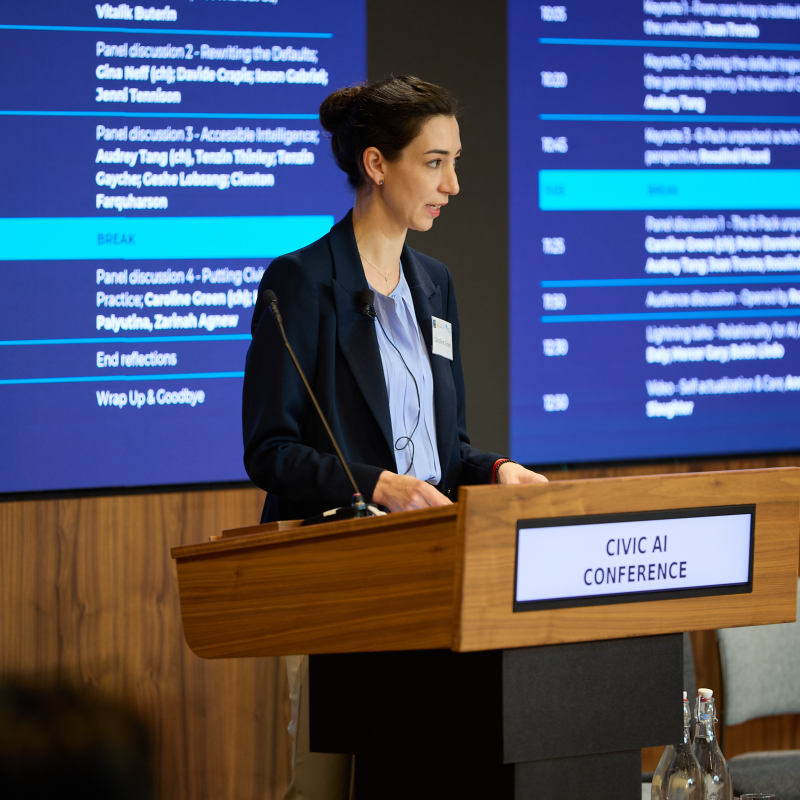
Ethics & Innovation: Serving, not Harming and Connection, not Convenience
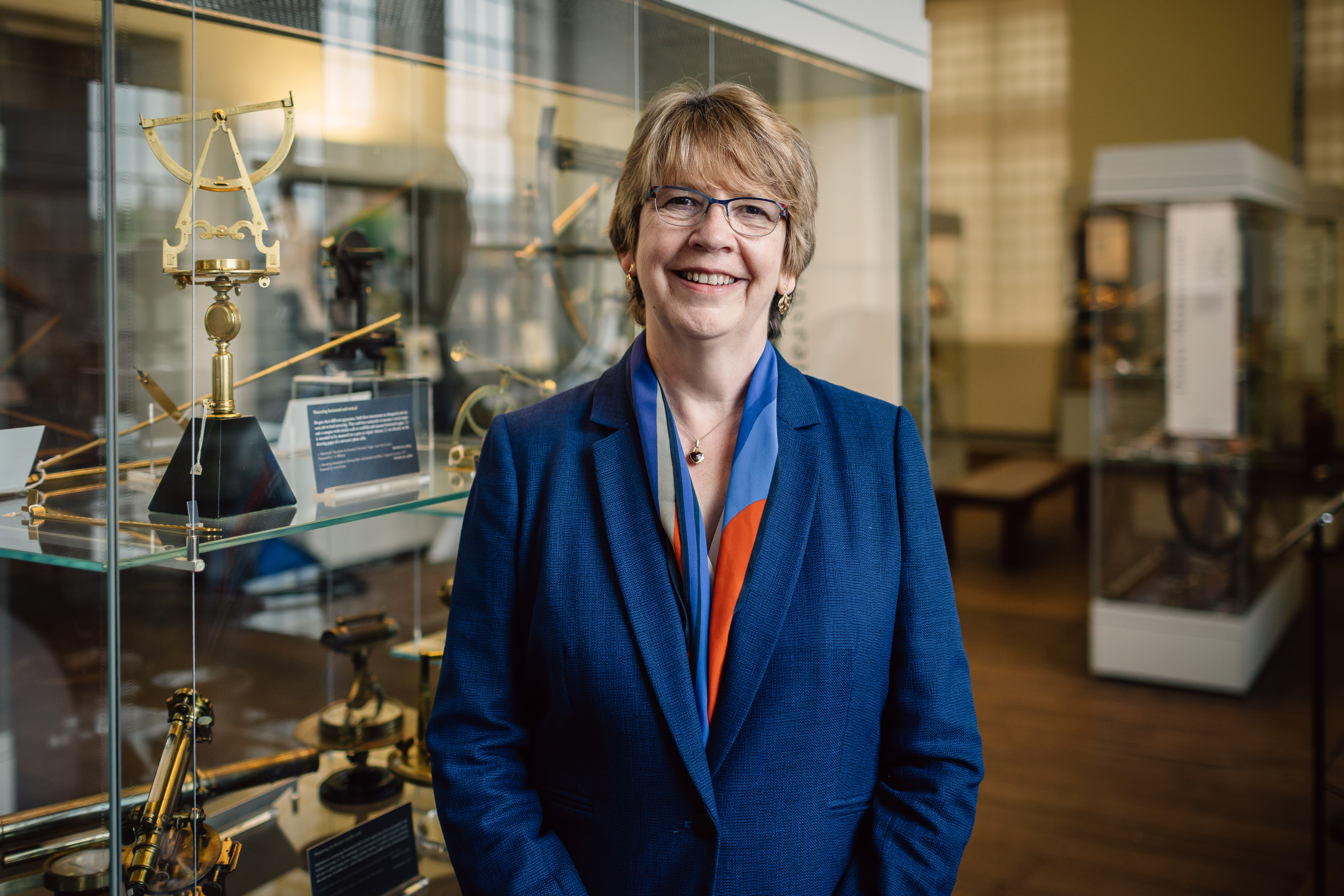
Ethics & Innovation: Can Trust Keep Up With AI?
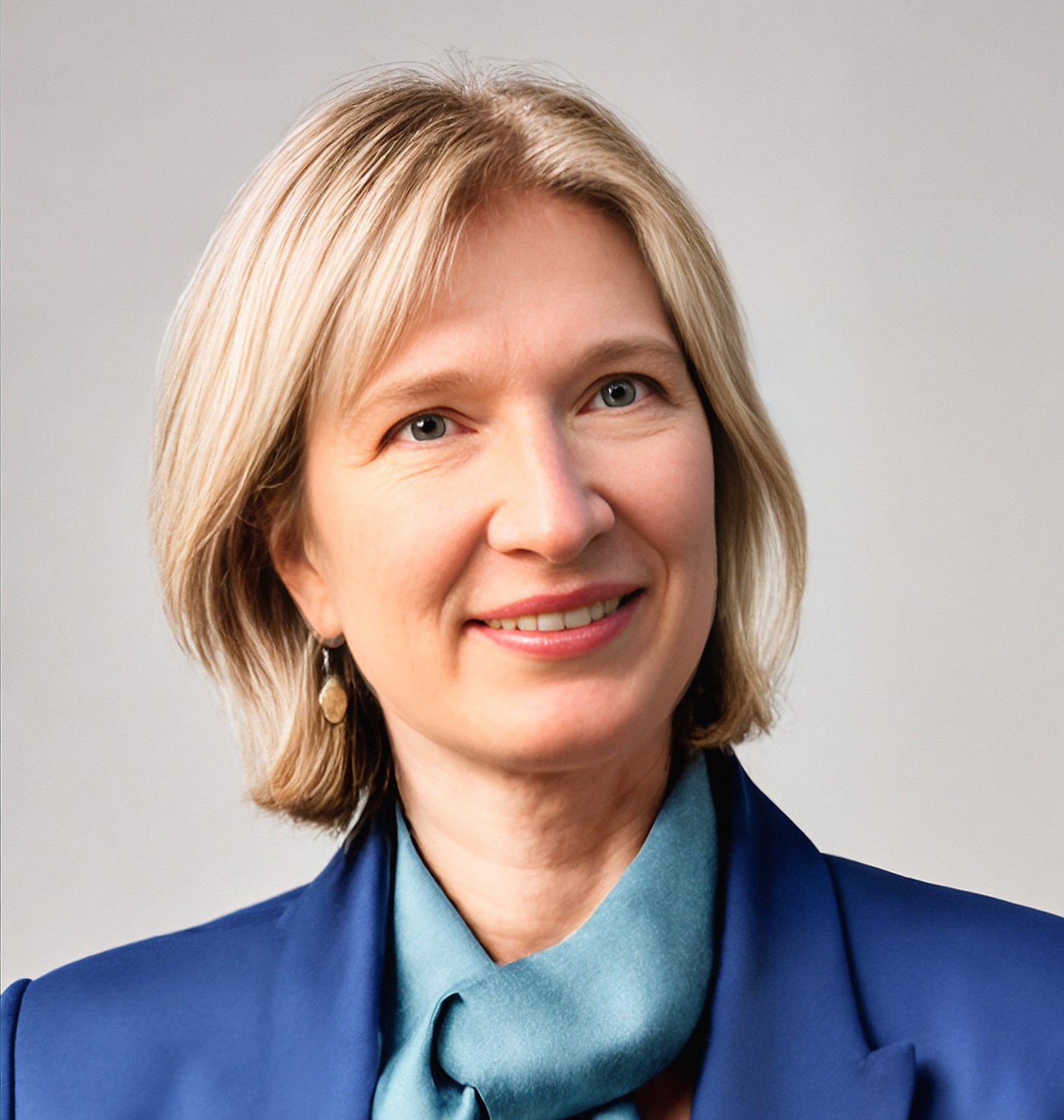
Ethics & Innovation: Building an Innovation Ecosystem That Includes Everyone

Ethics & Innovation: Can AI Close the Justice Gap?

Ethics & Innovation: What Makes Us Human in the Age of AI?
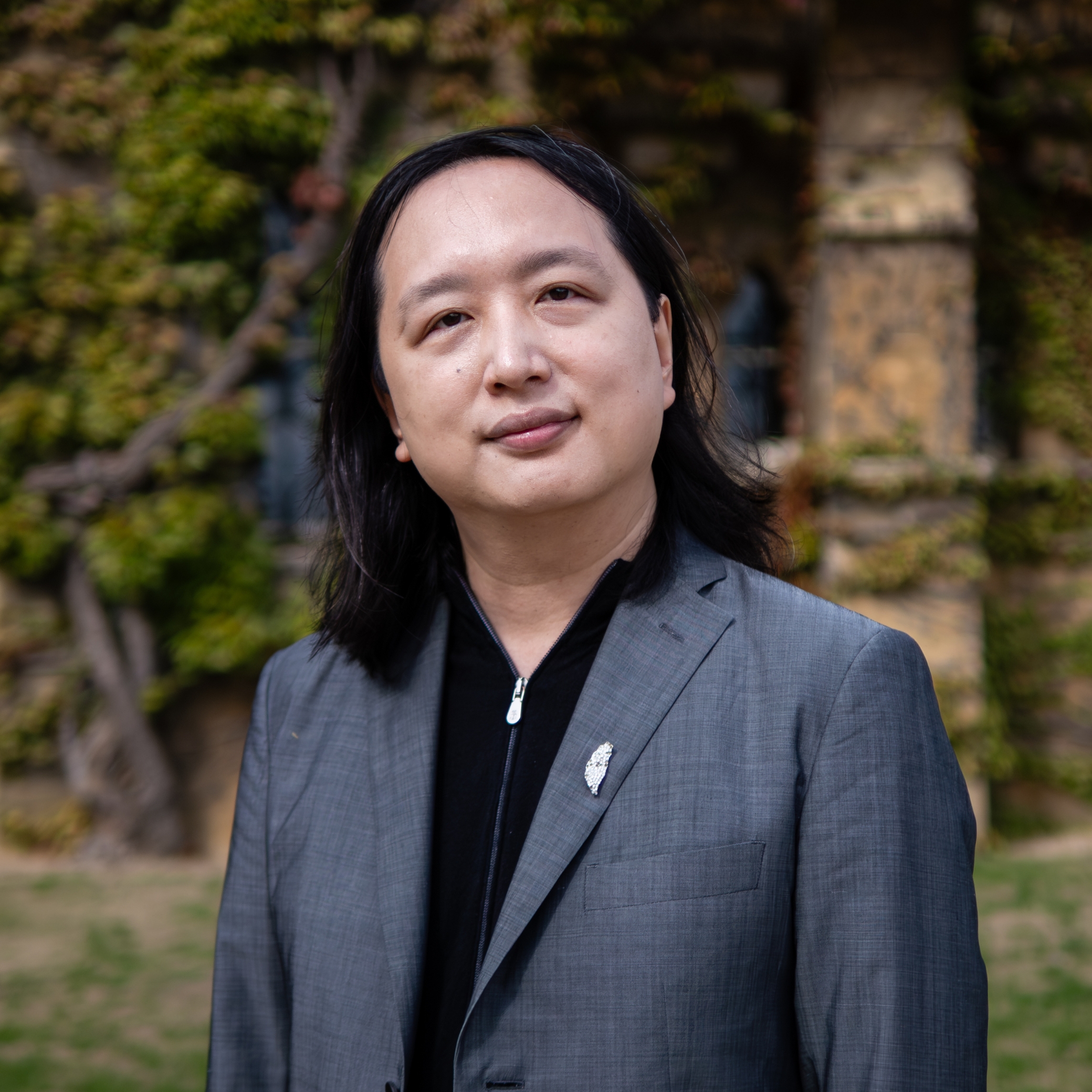
Ethics & Innovation: Civic AI, Data Soil and Digital Democracy

Ethics & Innovation: Does AI Actually Understand Our World?

Ethics & Innovation: The Social Media Ban, Sovereign AI, and the Race We Can't Stop
Unconscious Bias, Responsible AI, and the Future of Workforce Decisions

Bridging the Gap between Scientific Research and Industrial Impact
OX Tech Week: From Pub Meetups to a City-Wide Tech Festival
Healthcare Innovation When Lives Are at Stake
Building a More Inclusive Innovation Ecosystem in Oxfordshire
Lord William Hague on Talent, Technology, and Capital
Building a World-Leading Climate Tech Ecosystem in Oxfordshire
Defence Innovation in the UK: How Startups Win Government Contracts
Building a £10 Billion Vision: Inside the Ellison Institute of Technology with Lisa Flashner

The Multiplier Effect: Funding Companies, Ecosystems, and the Future of the UK
Oxford North: The New Innovation District in Oxford
The Cluster Effect: How Bicester Motion is Driving the Future of Mobility
The Psychology of Scaling Companies and Teams with Professor Robin Dunbar: Part 3
The Psychology of Scaling Companies and Teams with Professor Robin Dunbar: Part 2
The Psychology of Scaling Companies and Teams with Professor Robin Dunbar: Part 1

The Future of Genetic Medicine with Zandy Forbes, CEO of MeiraGTx
How Founders Pledge Uses Data to Maximise Philanthropic Impact

The Oxford Trust at 40: How Innovation and Education Power Oxford's Future

Can Sirona Rival Ozempic? A New Chapter in Obesity Treatment with Camilla Easter

Aligning Founders and Investors with David Mott

Building Billion-Pound Outcomes with Jack Edmondson

How Machine Learning in Oxford Is Transforming Medicine Worldwide with Lionel Tarassenko

Bringing Science to Society with Molly Stevens

How Oxford University Innovation Bridges Science and Business with Mairi Gibbs
What Formula One Teaches Us About Startups and Success with Adam Parr

Risk and Reward in Early-Stage Tech Investments with George Robinson

Charting Fresh Career Paths with Sue Douglas

From Oxford MBA to Startup CEO with Lily Elsner

Navigating Market Dynamics with Marcus Stuttard

Harnessing Local and Global Talent with Sarah Haywood

Navigating Capital Markets with John Derrick
Building Oxford’s Future with Anna Strongman

Breaking the Myths Around University Spin Outs with Irene Tracey

Navigating the Future of Oxford Sciences Enterprises with Ed Bussey

Oxford's Role in the Next Industrial Revolution with Dave Norwood

Diversifying the Investment Ecosystem with Rowan Gardner

Pension Investment and the Mansion House Compact with Nicholas Lyons

Lessons from the Motorsports Cluster with Mark Preston

From Research to Reality with Cici Muldoon

Nurturing Founder-Driven Ventures in Oxford with Peter Crane